

Electric Tricycle Types: Match Wheel Layout to How You Ride


Compare upright, semi-recumbent, folding, cargo, and all-terrain electric tricycle formats, then verify access, storage, route, loads, and model details.
An electric tricycle is easiest to shortlist when you separate riding position from practical purpose. Start with upright or semi-recumbent seating if access and posture drive the choice. Then add folding for limited storage, cargo capacity for recurring loads, or all-terrain features for routes with regularly rough surfaces. These priorities can overlap on one trike, so the exact frame geometry, dimensions, load guidance, components, and stated surface use still determine fit.

Which Electric Tricycle Type Fits Your Ride?
The best starting format is the one that solves your recurring constraint first: riding position, storage, routine loads, or route surface. Use the table as a qualitative filter, not as a stability or access ranking.
| Format | Strongest match | Tradeoff or model detail to verify |
|---|---|---|
| Upright | Conventional seated posture for ordinary paved errands and everyday riding | Check seat approach, adjustment range, control reach, width, turning room, and storage footprint |
| Semi-recumbent | A supported or lower riding position when the seat approach and leg movement suit the rider | Compare the exact mounting and dismounting motion, reach, sightlines, stop position, and space beside the trike |
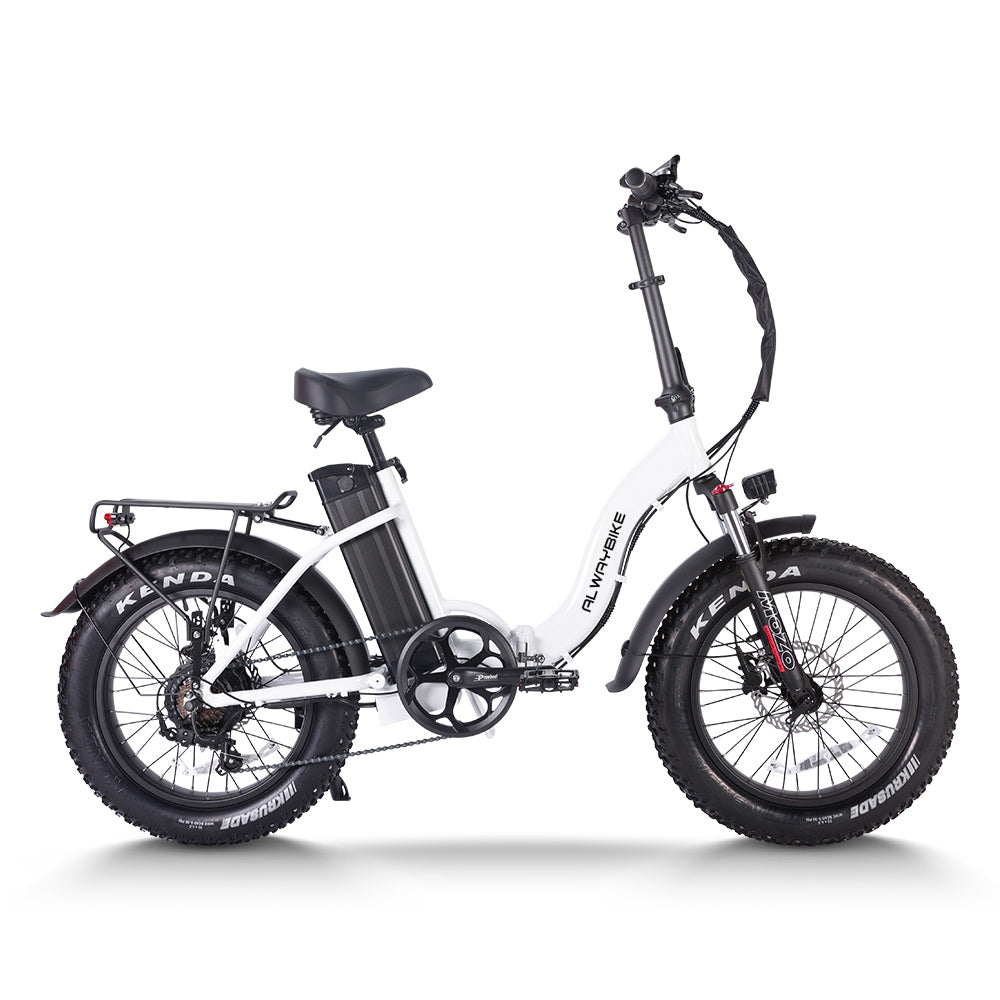
| Folding | Compact storage or recurring vehicle transport when routine loads are modest | Verify folded length, width, height, total weight, lifting points, folding steps, and the complete storage path |
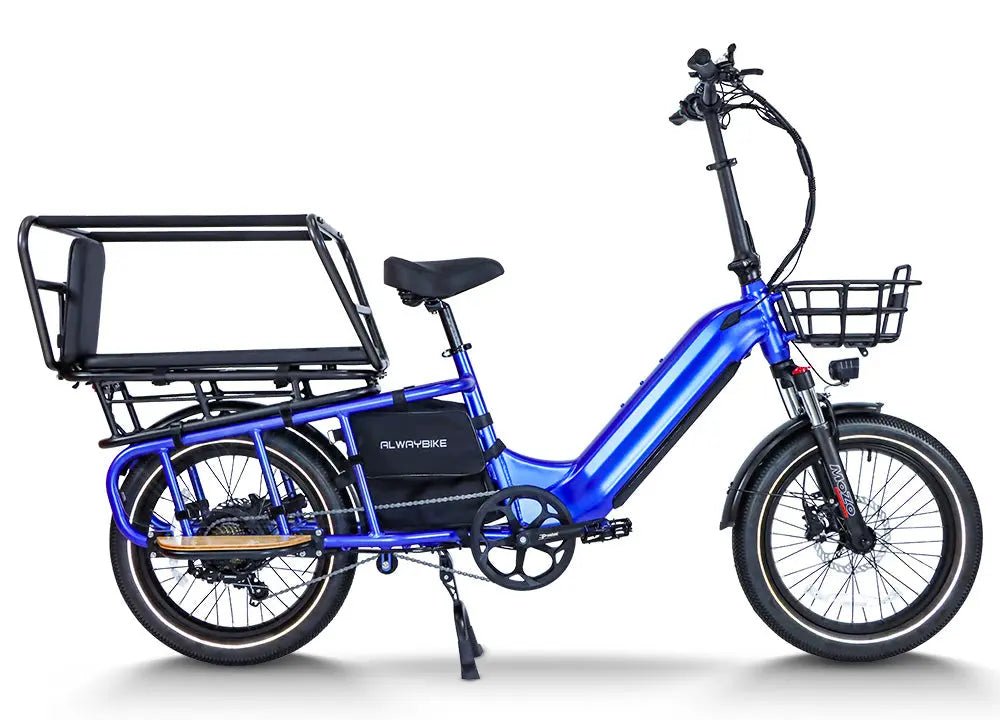
| Cargo | Groceries, work gear, deliveries, or other routine loads that matter more than compact storage | Check rider-plus-cargo limits, cargo-area dimensions, loading access, containment, tie-downs, and turning with a load |
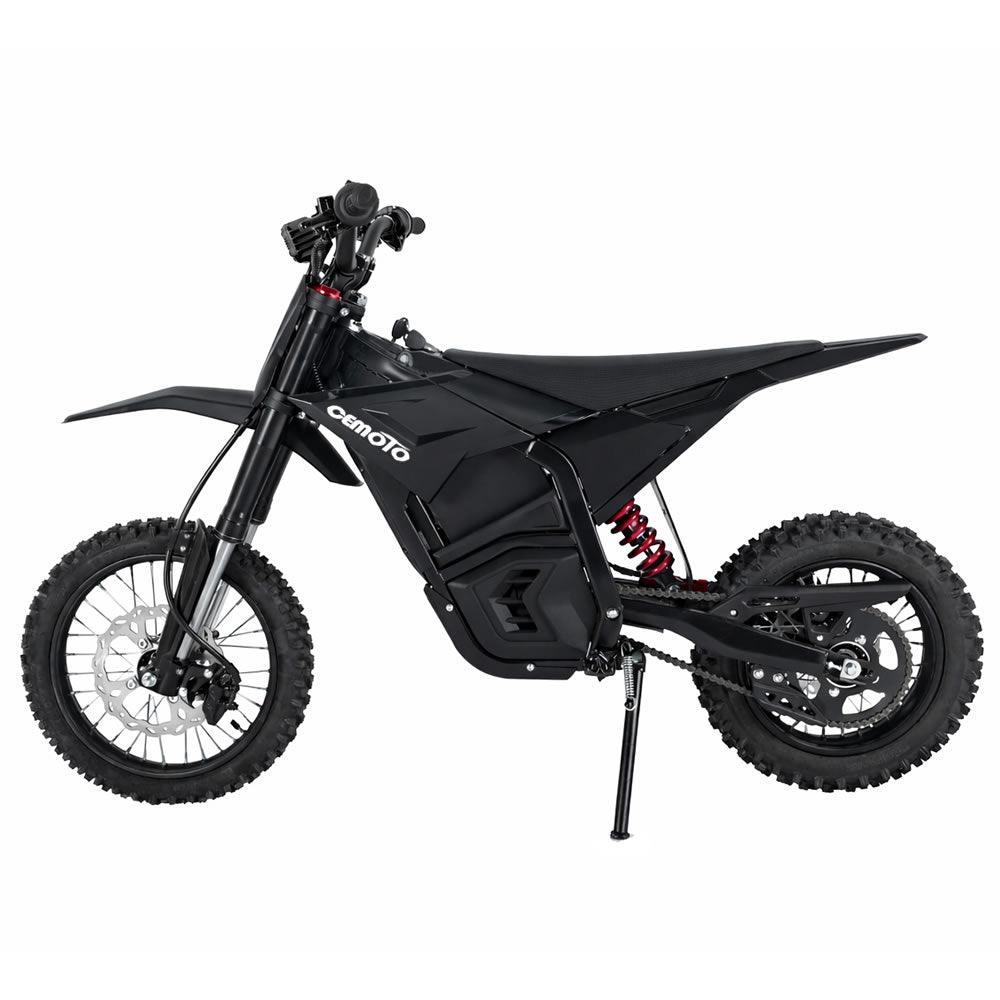
| All-terrain | Routes that regularly include rough, loose, uneven, or less-paved surfaces | Verify tires, suspension, clearance, braking guidance, width, maneuverability, and stated surface use |
Upright and semi-recumbent identify riding position. Folding, cargo, and all-terrain identify practical priorities, so an upright cargo trike or a folding cargo trike can be a valid combination. Wheel layout is a separate choice within those formats. Research describes a tradeoff: tadpole layouts can provide better stability in curves, while delta layouts offer maneuverability but lower curve stability. If frequent cornering is central to your route, compare the actual layouts and their geometry. If maneuverability is the priority, compare delta options without treating either layout as universally better. Research on geometry and speed affecting trike stability also identifies wheelbase, track width, center-of-gravity position, speed, and curve radius as factors to check. Slow down for corners and follow the model's guidance rather than treating a type label as a stability promise.
Before browsing models, write down the rider's mounting needs, storage location, usual surfaces, and routine load. Shortlist the format and wheel layout that address the constraints most likely to cause regret, then verify the model details.
Upright Electric Tricycles: Choose Conventional Seating for Everyday Routes
An upright format can be a sensible starting point if you want a familiar seated position for ordinary paved routes and everyday errands. That choice remains conditional: access, controls, dimensions, turning space, storage, and the task you plan to handle must all fit the rider.
Check how the intended rider approaches the seat and places their feet during stops. Then confirm the seat and handlebar adjustment range, control reach, assembled width, turning room, and storage footprint. A conventional posture does not automatically solve a difficult doorway, a tight parking area, or a need for specialized cargo space.
Keep posture separate from purpose. An upright trike may also need folding features for a storage-limited home, cargo capacity for weekly errands, or route-specific components for rougher surfaces. Before comparing upright models, measure the storage path and confirm that the rider can approach the seat, reach the controls, and use the intended stop position.
Semi-Recumbent Electric Tricycles: Compare Riding Support With Mounting Access
Choose a semi-recumbent format when its actual seat approach, leg movement, reach, and stop position fit the rider better than the upright alternative. Choose upright when conventional mounting, reach, and control position feel more controllable and repeatable. Neither posture is automatically easier to access.
Compare the mounting and dismounting motion directly, ideally with the rider in the intended position. Check seat height and approach path, leg clearance, reach to the controls, sightlines, steering feel, and the space needed beside the trike. A lower or more supported position can change reach and leg movement, but the frame geometry determines whether that change helps this rider.
If the rider cannot comfortably approach, mount, dismount, reach the controls, or stabilize the trike at a stop, change formats instead of assuming a small adjustment will fix the fit. A step-through access guide can provide general mounting terminology, but a trike still requires an exact geometry check.
Folding Electric Tricycles: Make Limited Storage the Deciding Constraint
Choose a folding trike when recurring compact storage or vehicle transport is the problem and routine loads are modest. Folding is a storage feature, not proof that the trike is lightweight, easy to lift, or compatible with every vehicle.
Measure the folded length, width, and height when available. Then account for total weight, lifting points, folding or disassembly steps, doorways, turns, the vehicle opening, and the storage surface. The full path matters more than the folded package shown in a product image. A trike that fits a garage on paper may still fail if it cannot be moved through the entrance or lifted as intended.

This is the direct folding-versus-cargo choice: prioritize folding when storage or transport fails first and the normal load is modest. If the trike must carry bulky or heavy routine items securely, compare cargo utility before compactness. You can use folding e-bike options for related storage ideas, but do not assume those products establish trike dimensions or capacity.
Cargo Electric Tricycles: Match Carrying Capacity to Weekly Tasks
Choose a cargo trike when groceries, work gear, deliveries, or other recurring loads drive the purchase more than compact storage. Start by recording the heaviest and bulkiest normal load, then compare it with the exact model's total payload, rider and cargo limits, component-specific ratings, usable cargo dimensions, loading access, containment, and tie-down provisions.
Do not treat a stated payload as cargo-only capacity without checking how the manufacturer defines it. Also confirm that the loaded trike can enter, park, turn, and remain manageable in its actual storage area. A large cargo area does not solve a failed doorway or an unsuitable loading height.
Choose cargo over folding when the routine load cannot be carried securely in the compact configuration while storage remains workable. Evaluate the loaded setup, not just an unloaded test ride: loaded delta-trike handling changes with load placement, center-of-gravity position, and speed in the cited technical analysis. A cargo e-bike guide may help with general load-planning questions, but it is not evidence for a particular trike.
All-Terrain Electric Tricycles: Match the Design to Your Actual Route
An all-terrain trike makes sense when rough, loose, uneven, or less-paved surfaces are part of the normal route, not merely an occasional curiosity. If most riding is on smooth pavement and rough sections are rare, a simpler format may better fit your storage, access, or transport needs.
Verify the exact tire width and tread, suspension, ground clearance, braking guidance, assembled width, maneuverability, and manufacturer-stated surface or slope use. Consider hills, tight turns, weather exposure, pavement transitions, and storage alongside rough-surface capability. Terrain-oriented components can change the trike's width and everyday handling, so the label alone is not enough.
If a planned surface or slope falls outside the model's stated-use guidance, choose a model designed for those conditions or change the route before purchase. Related fat-tire e-bike guidance can explain general tire considerations, but it does not establish a trike's capabilities.
Build a Shortlist by Verifying Five Electric-Tricycle Fit Decisions
Turn the chosen format into a model shortlist only after the rider, storage path, route, and routine task all fit. Use these five checks in order:
- Posture and access: Choose upright or semi-recumbent, then confirm mounting, dismounting, leg movement, reach, sightlines, and stop position for the intended rider.
- Storage and transport: Measure assembled or folded dimensions, doors, turns, vehicle space, lifting points, total weight, and the complete path to storage.
- Route surfaces: Document pavement, gravel, uneven sections, hills, and turns. Compare them with the model's stated surface guidance and component details.
- Rider and routine loads: Record the rider and the heaviest, bulkiest normal load. Compare that record with stated total and component limits, usable cargo space, loading access, and handling with the intended load.
- Exact specifications and local requirements: Verify dimensions, controls, braking guidance, wheel and tire setup, electrical specifications, and applicable requirements where you ride. Rules can vary by location and product classification, so use current local guidance.
Discard any model that lacks clear product-specific information for a decision-changing fit check. Bring your measurements, route description, rider-fit notes, and load record to every product page. You can browse related e-bikes, but compare only models that pass the first four practical filters and provide the specifications needed for the fifth.
Frequently Asked Questions About Electric Tricycle Types
The key questions are how the five labels differ, which design and loading variables affect handling, and how actual frame geometry changes access. Use the answer that matches your decision, then return to the relevant format section for the practical check.
What are the main trike formats for adults?
The main formats are upright, semi-recumbent, folding, cargo, and all-terrain. Upright and semi-recumbent describe riding position; folding, cargo, and all-terrain describe practical priorities. Because the labels can overlap, identify the constraint that matters most, then verify the exact model's geometry, dimensions, limits, and stated use.
What affects stability between trike designs?
No type label guarantees the most stable result. Compare wheel layout, wheelbase, track width, center-of-gravity position and height, speed, turning behavior, and load placement for the intended route. For a cargo setup, assess the trike loaded as planned because the rider and goods can change handling. Technical rollover research uses wheel-load balance as a stability measure, not as a consumer threshold.
Which riding position may be easier to access?
Neither is universally easier. Access depends on the frame, seat approach, leg movement, reach, and stop position. Compare the actual mounting and dismounting motion for the intended rider, and change formats if the rider cannot repeat that motion comfortably and control the trike at a stop.
