
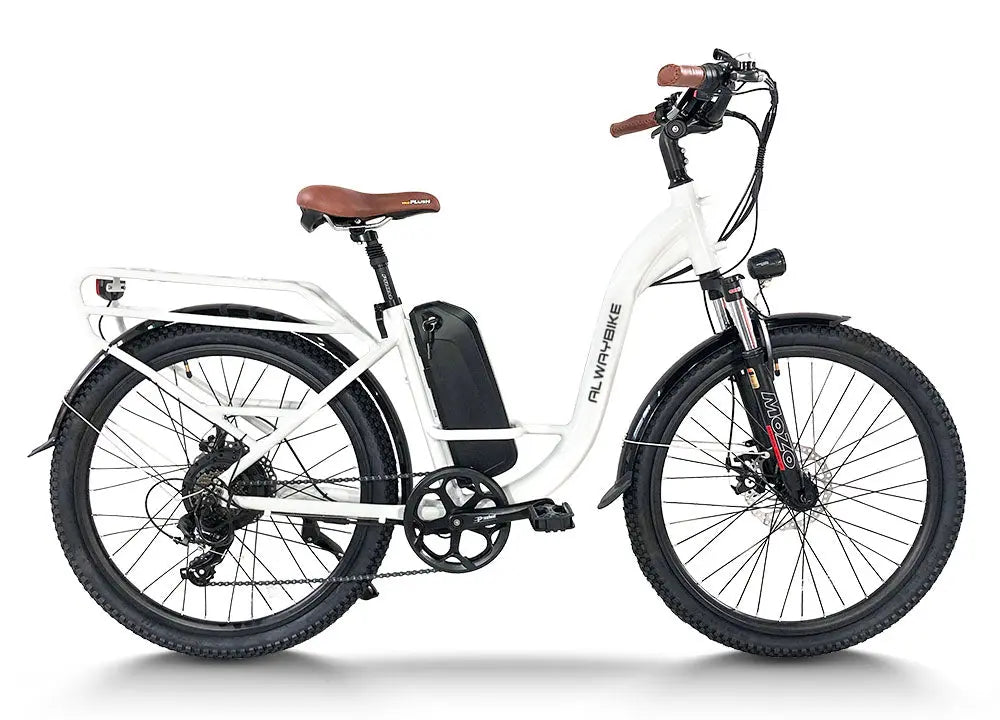
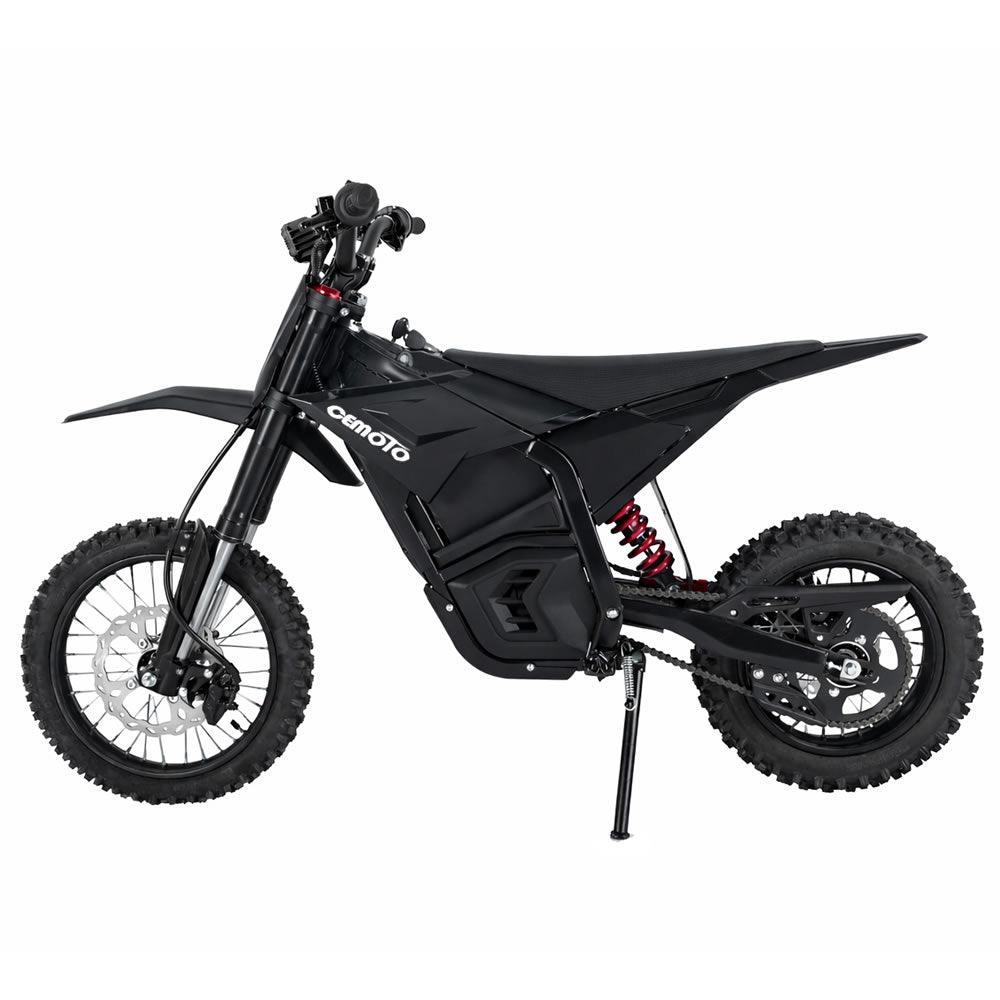
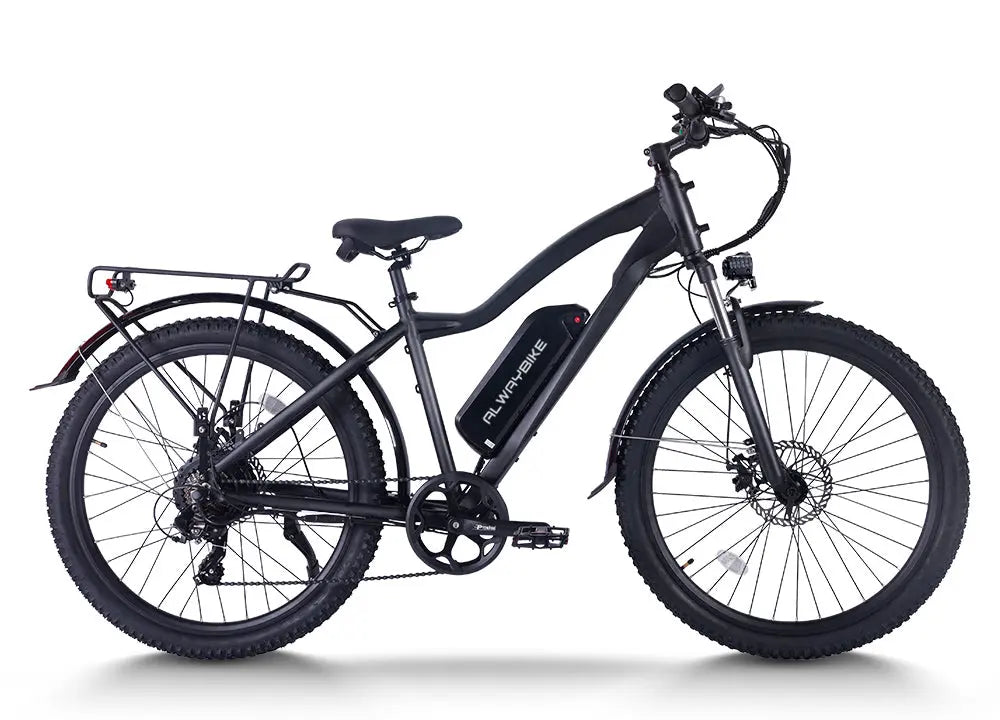
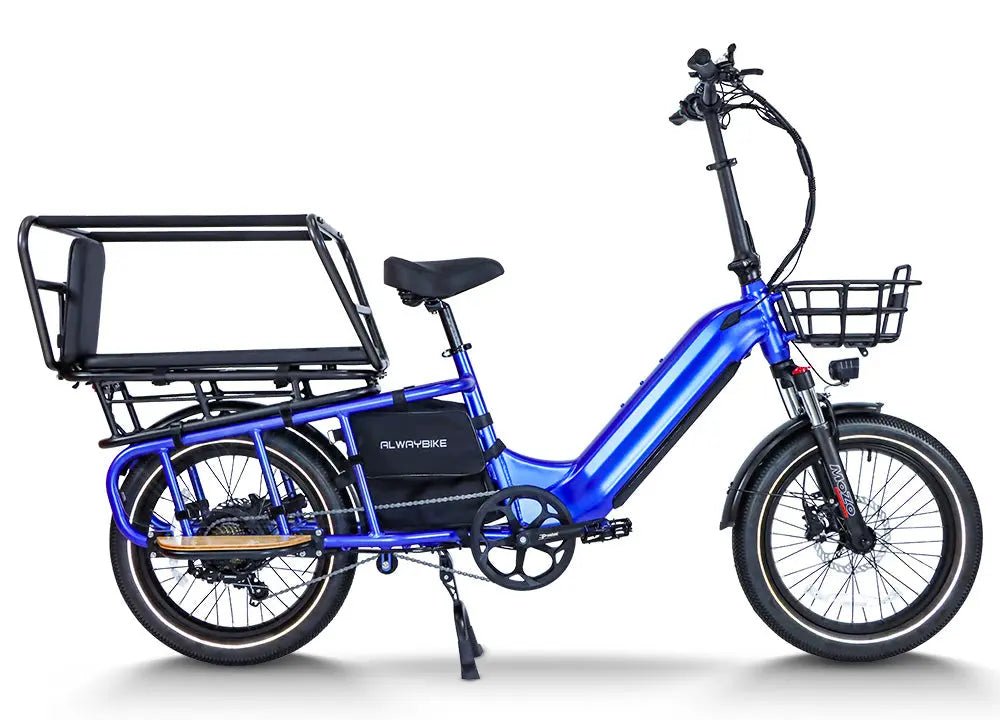
Fast Electric Bikes: Match Top Speed to Range and Riding Access


The fastest electric bike is not always the one with the highest advertised speed. Match verified performance to your route, e-bike class, battery needs, terrain, and local access rules before comparing models.
The fastest electric bike for you is the one whose verified speed fits your full route, riding environment, range needs, and access rules—not necessarily the bike with the highest number on its product page. In the U.S., Class 1, Class 2, Class 3, and high-power off-road vehicles can differ substantially in their controls and permitted uses. Start with the most restrictive segment of your regular ride, then compare speed, battery demand, braking equipment, and intended terrain.

Choose the Fastest Electric Bike by Usable Speed
A headline speed describes what a particular configuration may reach under stated conditions. Usable speed also depends on where the bike may be ridden, its assist settings, the rider and cargo load, battery state, wind, terrain, and surface quality.
Separate Advertised Speed From Usable Speed
Treat advertised or peak speed as a model-specific specification to verify, not a guaranteed result for every rider or route. A bike that reaches a higher speed on private property may offer little practical value if a shared path, road segment, or trail on your regular ride does not permit that class or control setup.
Use these checks to separate the number on the listing from the speed you can actually use:

- Verify the assisted-speed limit and whether the bike uses a throttle, pedal assist, or both.
- Compare that setup with the most restrictive road, path, trail, or private-property segment on your route.
- Account for terrain, surface quality, rider and cargo load, wind, and battery state.
Usable speed is ultimately a route-and-configuration decision. When asking how fast do electric bikes go, compare the assisted-speed limit, throttle or pedal-assist behavior, terrain, and permitted riding area—not just the largest number in an advertisement.
Check the Route Before Comparing Models
Audit your ride before opening a model comparison page:
- List every public road, bike path, mixed-use path, trail, and private-property segment in your regular trip.
- Check the applicable class, control, equipment, speed, and facility rules for each segment.
- Use the most restrictive segment as your first buying filter.
Rules vary by state and locality, and the exact facility or trail manager may impose additional conditions. A practical state and local e-bike rules lookup can help you find the right authority, but confirm the current governing rule before relying on a category label.
Match E-Bike Class to Street and Path Access
Class 1, Class 2, and Class 3 provide a useful U.S. comparison framework, but they do not create nationwide permission to ride on every road, path, or trail. The exact model controls and the rules for each jurisdiction and facility determine whether its assisted speed is usable.
Class 1: Pedal Assist for Broadest Compatibility
Class 1 uses pedal assistance rather than a throttle within the comparison framework, with assistance stopping at 20 mph. That can be a sensible starting point for riders who prioritize ordinary cycling infrastructure, but “broadest compatibility” is not the same as universal permission. Check the exact path, road, and facility rules before treating Class 1 as approved everywhere. The Class 1, Class 2, and Class 3 comparison framework provides the federal reference point.
Class 2: Throttle Assistance Changes the Check
Class 2 is throttle-capable and is generally described in the framework as providing motor assistance up to 20 mph. Because throttle-assisted riding and pedal-assisted riding can affect classification or facility access, verify the exact controls on the model you are considering. A path that accepts one class may still have separate rules about throttle use, so check the facility rather than inferring access from the speed limit alone.
Class 3: Higher Street-Use Speed With More Restrictions
Class 3 uses pedal assistance within the framework and stops assisting at 28 mph. The higher assisted speed may suit a road-oriented commute, but it can also bring different rules for roads, paths, helmets, age, equipment, or facilities. Treat Class 3 as a route-specific choice: the extra speed is useful only where the full route and local rules allow it.
High-Power Off-Road Bikes: Treat Access Separately
High-power off-road or e-moto-style bikes and street-legal e-bikes are not simply different points on one speed scale. A vehicle outside the ordinary Class 1/2/3 framework may be treated under a different motorized-vehicle or off-road framework. Do not infer street legality from wattage, pedals, lights, or a product-page label. Verify classification, equipment, registration, licensing, and intended use for the jurisdiction and property involved. A high-power e-moto compliance guide can provide background, but the governing rule controls.
| Category | Control and assisted-speed framework | Access question to verify |
|---|---|---|
| Class 1 | Pedal assist to 20 mph | Is this class allowed on each road, path, and trail? |
| Class 2 | Throttle-capable operation to 20 mph | Does throttle use change the facility decision? |
| Class 3 | Pedal assist to 28 mph | Are higher-speed, helmet, equipment, or path rules different? |
| High-power off-road | May fall outside ordinary e-bike classes | Does it require separate classification, registration, licensing, or private/off-road access? |
On managed public lands, authorized managers may distinguish between classes and routes; some trails may not be appropriate for every category. Review the current managed trail and route restrictions before assuming that a class label settles access.
Balance Speed Against Range and Battery Demand
Sustained higher speed generally increases energy demand, so a fast electric bike can use its battery differently from a slower ride. There is no reliable universal percentage for the range change; compare the route, riding conditions, and test method instead of applying one estimate to every model.
Compare Range at the Speed You Plan to Ride
Published range is useful only when its test conditions resemble your planned ride. Compare these inputs before treating two range figures as equivalent:
| Condition | Likely effect on usable range | Buyer check |
|---|---|---|
| Sustained speed and assist | More assistance and speed can increase energy demand | Look for test speed and assist setting |
| Hills, wind, and surface | Climbing, headwinds, gravel, and rough terrain require more work | Match the test route to your regular terrain |
| Rider, cargo, and temperature | More total load and cold conditions can change battery performance | Include your real load and seasonal conditions |
| Tires and test method | Tire pressure, tread, and testing procedures affect comparison | Compare like-for-like specifications and methods |
This is the practical speed and range tradeoffs for fast electric bikes: extra speed may shorten the distance available from the same battery, while a larger battery adds capacity and reserve rather than guaranteeing the top speed under every condition.
Size the Battery for the Whole Route
Estimate the complete round trip in miles, not just the distance to your destination. Mark hills, exposed wind, cargo, likely assist level, charging access, and the reserve you want after arriving. Then compare a model’s stated range only when its speed, terrain, load, temperature, and test method are reasonably similar.
Use this battery-sizing sequence:
- Measure the full route distance, including the return trip.
- Add the route’s hills, wind exposure, cargo, likely assist level, and temperature to your comparison.
- Choose a reserve that still covers your plan if conditions are worse than the test conditions.
A commuter who plans to ride quickly into a headwind should not size the battery around the most optimistic published figure. A recreational rider may accept a shorter practical range in exchange for terrain capability, but should still compare the expected ride length with a realistic reserve.
Account for Stopping Distance and Terrain Demands
Higher speed changes more than battery use: it leaves less time to react and makes braking, tires, visibility, load, and surface choice more important. The useful speed may be well below the advertised maximum on steep descents, rough ground, crowded paths, or routes with limited visibility.
Before the first component check, use this route-and-equipment screen:
- Match braking equipment, tires, and total load to the intended speed and surface.
- Lower the practical speed for steep descents, rough ground, crowded paths, or limited visibility.
- Verify the bike’s intended environment instead of relying on an all-terrain or fat-tire label.
Verify the Braking and Tire Setup
Before comparing the fastest e-bike options, check the equipment against the intended speed and total load:
- Review brake type and relevant component specifications, not just a generic “disc brake” label.
- Check tire size, tread, pressure guidance, and intended surface.
- Confirm the manufacturer’s load, frame, suspension, and operating limits.
- Inspect the throttle, brake controls, tires, frame, cables, and lights before riding.
Federal bicycle requirements include braking and other performance provisions within their scope, but they do not establish that every high-power vehicle is road legal or suitable for every route. Use the federal bicycle braking requirements as a reason to verify equipment, not as a guarantee of safety or access.
Match Speed to Surface and Elevation
Pavement, gravel, steep descents, mud, rocks, and shared paths each change the speed that is practical for the route. For off-road riding, verify suspension, ground clearance, tire setup, and intended operating environment rather than assuming that an all-terrain or fat-tire label is enough.
Commuting routes versus recreational or trail riding also changes the priority. A smooth, separated road route may make repeatable assisted speed valuable; a technical trail may make traction, control, and surface suitability more important than a higher top-speed claim.
Choose the Speed Category That Fits Your Ride
Choose the lowest speed and power category that covers the full intended use, then compare verified battery, controls, brakes, tires, load limits, intended use, and access documentation within that category. This avoids paying for performance that your route cannot use and separates commuter needs from private-land or trail performance.
Commuter: Prioritize Access and Repeatable Range
Favor a category that fits every segment of the commute, has controls permitted on those facilities, and offers enough practical battery reserve for weather, traffic stops, hills, and the return trip. Excess top speed is poor value when a path or road rule prevents you from using it. You can begin with commuter e-bikes as a category, then verify each model’s current specifications before ordering.
Mixed-Use Rider: Confirm Every Surface and Rule
Choose a category that fits the full combination of streets, paths, gravel, and recreational areas you actually use. Confirm each facility’s rules; an all-terrain or fat-tire description does not grant access everywhere. For Class 1 vs. Class 2 vs. Class 3 street use, compare controls and route rules first, then choose battery and tire equipment for the surfaces you ride most often.
Performance Rider: Reserve High Power for the Right Environment
Separate higher assisted street speed, trail capability, and private-land acceleration. They may require different vehicle categories and different compliance documents. High-power off-road bikes make sense only where the documented vehicle type, equipment, property, and riding rules fit; verify street compliance before public-road use. A high-speed electric bike street legal claim should always lead to a classification check, not an assumption.
Compare Relevant Categories and Models
Use this final screen before placing an order:
- Identify the most restrictive route or facility and confirm its current rule.
- Verify the exact class, throttle behavior, assisted-speed limit, and intended use.
- Compare battery capacity and range conditions at your planned speed and assist level.
- Check brakes, tires, suspension, frame, total load limits, and controls.
- Request or review compliance, registration, licensing, warranty, and returns information where applicable.
- Follow local rules and inspect the bike before riding; the e-bike purchase and pre-ride checks include checks for permitted locations, brakes, throttle, tires, frame, weight, and age guidance.
We organize options by riding style, including commuter e-bikes, mountain or fat-tire categories, and electric dirt bikes. Use those categories to narrow your search, not as proof that any particular model is the fastest, street legal everywhere, or suitable for every rider.
FAQs
These answers cover edge cases involving legality, range, controls, and high-speed riding; the exact vehicle and route rules still control the decision.
What Is the Fastest Legal Electric Bike in the United States?
There is no single nationwide answer. Verify the vehicle, route, facility, and local rules before treating its speed as legally usable.
Is a 40 MPH E-Bike Street Legal?
Not automatically. A 40-mph claim requires checks for classification, equipment, registration, licensing, and the specific jurisdiction.
Does Riding an E-Bike Faster Reduce Its Range?
It can, because sustained higher speed generally increases energy demand. Compare matching speed, assist, terrain, load, temperature, tires, and test conditions.
Can a Throttle Make an E-Bike Less Suitable for Bike Paths?
Yes, depending on the facility rule and the bike’s exact control behavior. Check both before riding.
What Should I Verify Before Buying a High-Speed Electric Bike?
Check permitted locations, classification, controls, speed conditions, battery test conditions, brakes, tires, load limits, intended use, compliance documents, and applicable warranty or returns terms.
