
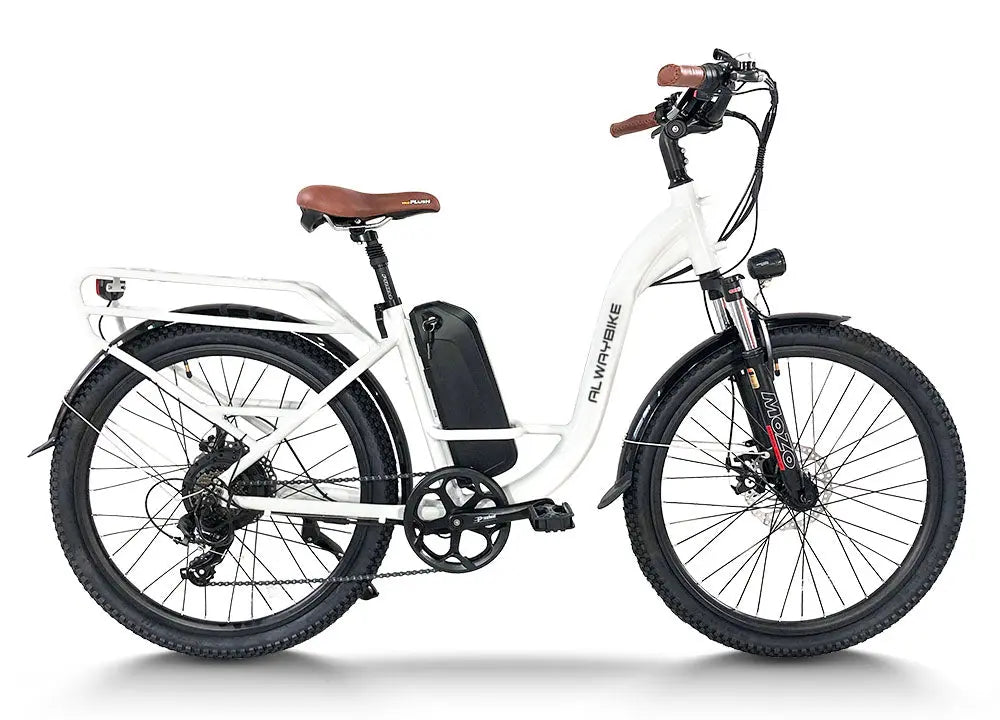
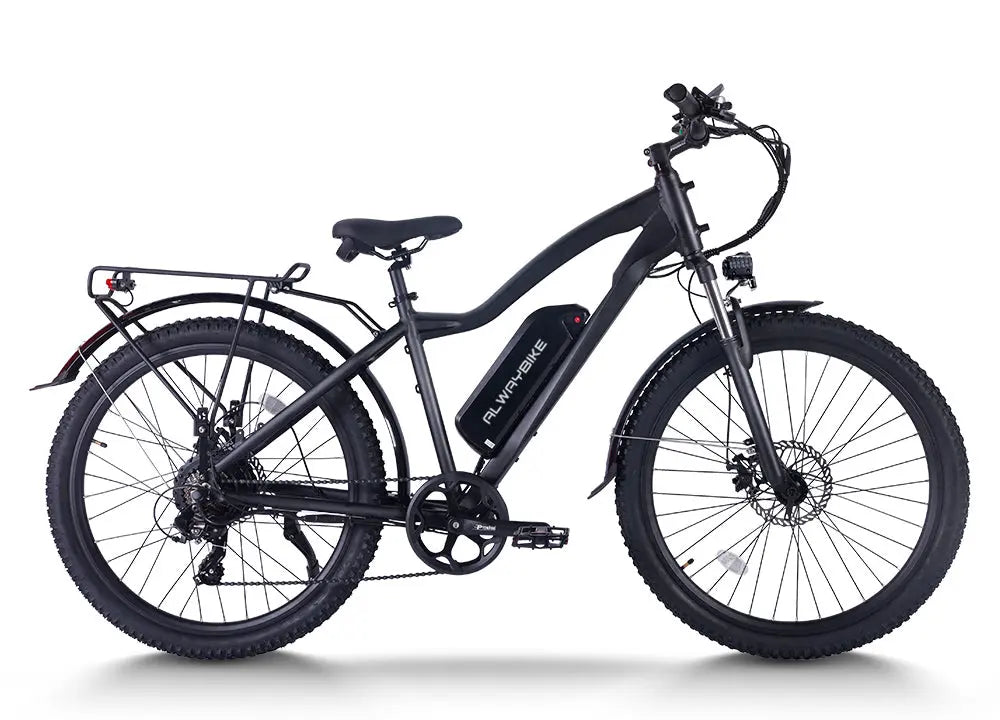
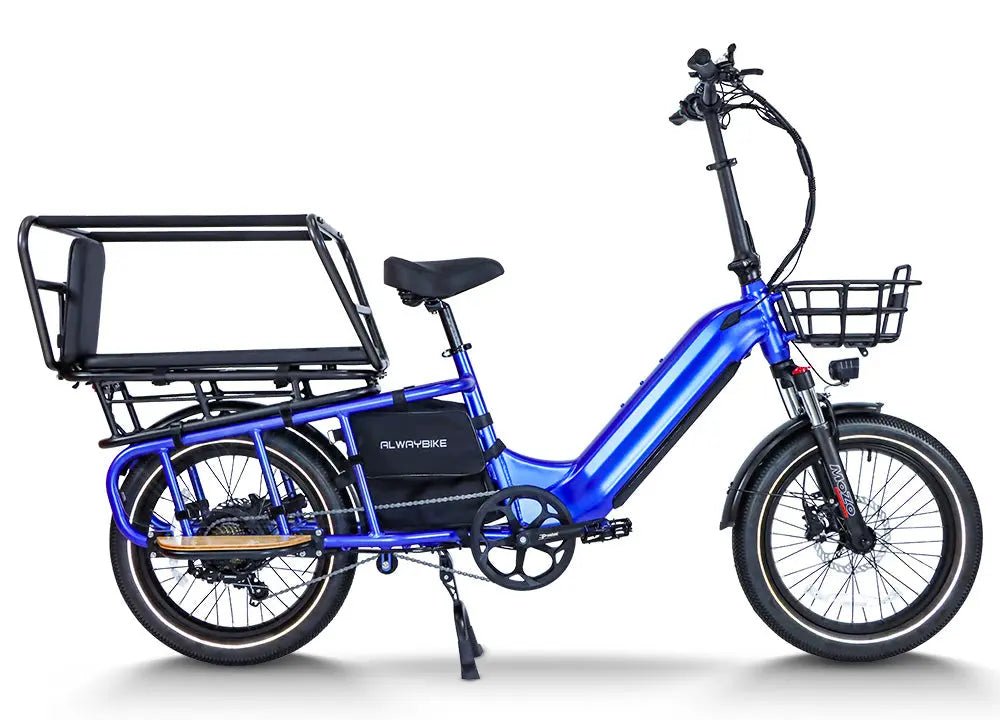
High-Power Electric Dirt Bike or Electric Motorcycle? Classify It Before You Ride


Use this electric off-road motorcycle guide to sort a high-power electric dirt bike by vehicle facts, location, and the right authority before riding.
A product label does not classify a high-power electric dirt bike for every US riding situation. Start with the exact specifications, controls, equipment, identification documents, and intended use. Then compare that information with current federal, state, local, and land-manager definitions before you ride. That is the practical approach to an electric off-road motorcycle: use the facts to choose the right review path rather than treating a marketing name as a legal category.

Use this preliminary classification path before you ride
Use this four-step process to determine whether to research an e-bike, moped, motorcycle, or off-road/OHV path. It is a preliminary research framework, not a legal classification. State traffic and vehicle laws vary in how they define, license, register, and regulate these vehicles, as summarized in this state traffic-law overview.
- Collect the exact vehicle record. Save the product page, owner's manual, specification label, purchase record, and clear photos of the VIN, serial number, or other identification. Record rated and peak output separately, advertised top speed, selectable modes, throttle or pedal controls, road-oriented equipment, and the intended riding location.
- Compare the facts with current definitions. Use the federal low-speed e-bike baseline as an initial screen, then review the relevant state's definitions for e-bike, moped, motorcycle, and OHV. A vehicle that falls outside one definition does not automatically fit another category, so keep the result provisional.
- Choose the location branch. Separate private property or a closed track, a designated public OHV trail, agency-managed land, and a public street or road. The same vehicle may face different access requirements depending on where you plan to ride.
- Get documented confirmation. Give the responsible authority the complete record and ask which category, title or registration, license, insurance, equipment, identification, and access rules apply to that exact vehicle and location. Save the response with your vehicle documents.
Preliminary vehicle-classification verification sequence
A four-step research route—not a legal classification. Confirm category, title or registration, licensing, insurance, equipment, identification, and access for the exact vehicle and location.
View chart data
| Category | Verification sequence |
|---|---|
| 1. Exact vehicle record | 1.0 |
| 2. Current definitions | 2.0 |
| 3. Riding location | 3.0 |
| 4. Authority confirmation | 4.0 |
Have the documents and identification photos ready before contacting an agency. Do not ride on a public road until the relevant authority confirms the vehicle's category and required approvals for that location.

Translate electric dirt-bike and motorcycle labels into verification questions
These labels describe a product's form, intended use, or marketing position. They do not, by themselves, establish a statutory category, registration eligibility, equipment compliance, or public-road access.
Electric dirt bike
“Electric dirt bike” usually describes a motorcycle-shaped electric vehicle positioned for dirt, trails, tracks, or private land. Treat the phrase as a starting description. Ask for the exact output, speed and control behavior, equipment, identification, documents, and permitted riding locations instead of inferring the legal category from the name.
Electric off-road motorcycle
“Electric off-road motorcycle” emphasizes motorcycle-like construction or controls and off-road intent. It is useful search language when researching an electric dirt bike versus electric motorcycle classification, but it does not prove that a state will treat the vehicle as a motorcycle or that a trail manager will allow it. NHTSA uses a technical motorcycle definition for its own regulations and notes that states may use their own terms in its motorcycle definition and terminology guidance.
Street-legal electric motorcycle
“Street-legal electric motorcycle” suggests a road-oriented product position, not approval for every state, road, or vehicle record. Confirm the category, identification, required equipment, title or registration, licensing, insurance, and road-access rules for the exact jurisdiction. A street kit or motorcycle-like appearance is evidence to discuss with an authority, not proof of approval. For additional context, see our explanation of street-legal versus off-road rules, but use current government guidance for the final answer.
Gather the vehicle facts that can change the review path
An authority can evaluate a specific vehicle more reliably when you provide a complete record rather than just a model name or wattage figure. Record each field exactly as the manufacturer documents it, and mark missing or conflicting information as unresolved.
Output and propulsion
Record rated motor output and separately stated peak output, if both appear. Note whether the vehicle has fully operable pedals, pedal assist, a throttle, or motorcycle-like controls. As a federal product-safety screening baseline, the CPSC describes a low-speed electric bicycle as having fully operable pedals, a motor under 750 watts, and motor-only speed below 20 mph under the specified test in its federal low-speed electric-bicycle baseline. This baseline does not determine every state's operating category.
Speed and control behavior
Save the advertised maximum speed, selectable modes, throttle operation, pedal operation, and any stated speed-limiting behavior. Do not turn a speed or wattage figure into a universal result. A high number can trigger broader state vehicle, motorcycle, moped, or OHV review, but it does not independently establish which category applies.
Road-oriented equipment
Inventory lights, reflectors, brakes, mirrors, horn, turn signals, and speed display when present. Keep photographs and the manual with the record. This inventory helps an agency assess the vehicle, but equipment alone does not prove street legality or replace title, registration, licensing, insurance, identification, or access requirements.
Identification and purchase documents
Save the VIN or serial-number location, manufacturer label, title or certificate of origin if supplied, invoice, owner's manual, and complete specification page. Take clear photos of labels and identification marks. If a field is unavailable or product materials conflict, write “unavailable” or “conflicting” rather than making an assumption.
Intended use and product record
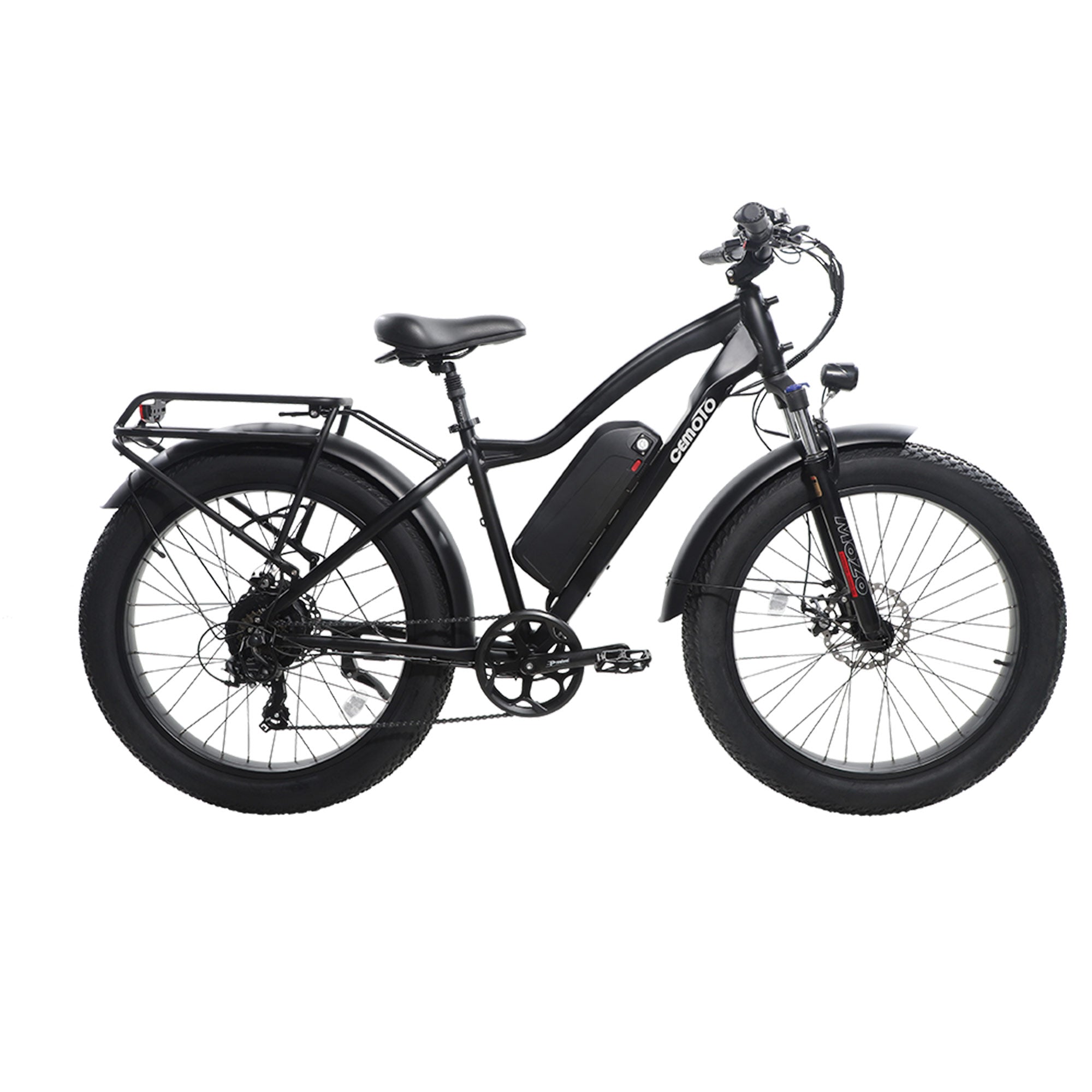
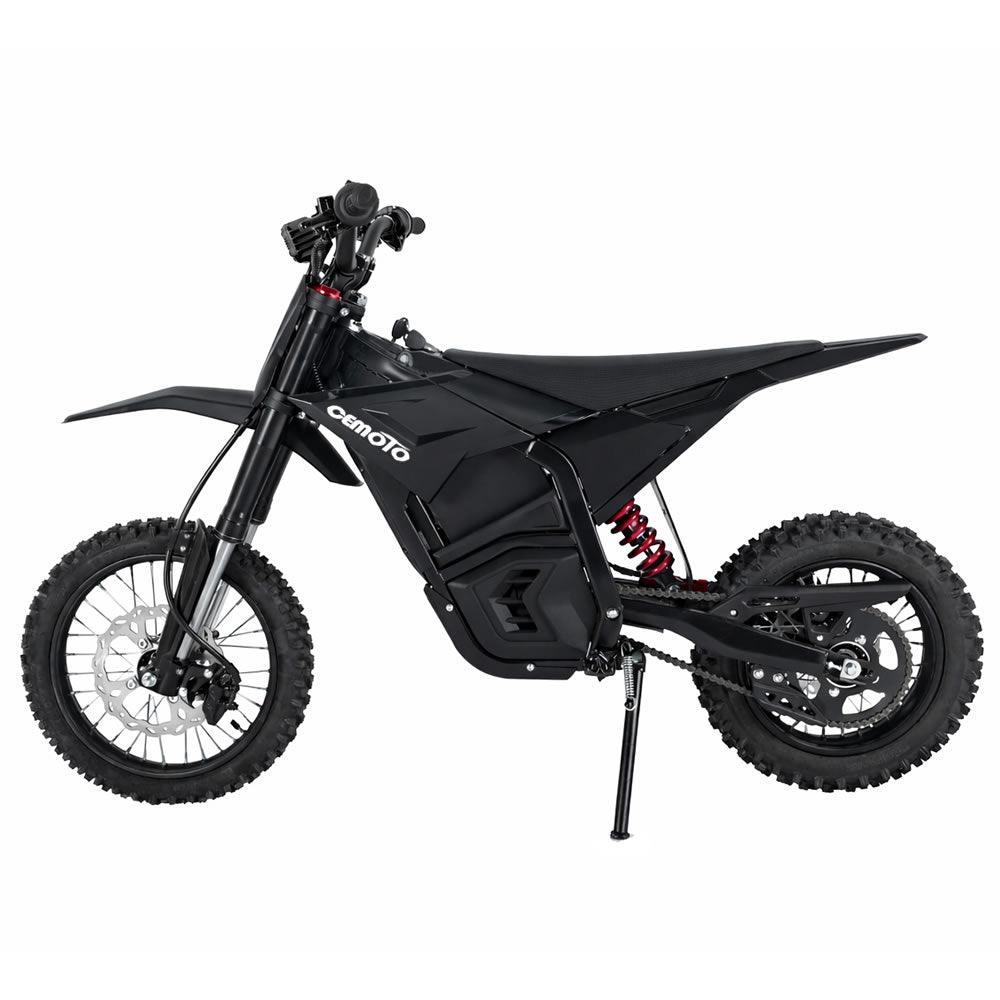
Write down whether you plan to ride on private land, a track, a designated OHV area, a public path, a neighborhood street, or a mix of locations. The supplied CEMOTO D-Series record lists 3,000W–6,000W output, model speeds of 40–53 mph, and off-road, private-land, or track positioning. Those are manufacturer-stated facts to include in an authority handoff, not proof of motorcycle status, registration eligibility, compliance, or public-road approval. You can review the CEMOTO D-Series specifications while building that record.
Match the riding location to the authority that controls access
Choose the authority based on the riding surface and jurisdiction, not just the product label. Access permission, vehicle classification, and public-road eligibility are separate questions.
Private property or a track
Start with the landowner or track manager. Ask about vehicle type, rider requirements, protective equipment, operating conditions, noise or site rules, and permitted hours. Private access may answer whether you can use that site, but it does not settle state classification or authorize public-road use.
Designated public trail or OHV area
Contact the state OHV program and the agency managing the specific trail. Ask whether the exact vehicle is allowed and whether permits, registration, equipment, route limits, seasonal restrictions, or identification requirements apply. An off-road label does not establish trail eligibility. The manager's current rules control that location.
Public street or road
Start with the state DMV or motor-vehicle agency. Ask about category, title or registration, licensing, insurance, required equipment, identification, and whether the vehicle may use the intended road. Then check the relevant city, county, or road authority for local access rules. This is where electric off-road motorcycle registration requirements must be matched to a specific state and vehicle, not a general web result.
BLM land illustrates why location changes the process. On BLM-managed land, the agency's Class 1–3 e-bike framework does not cover other electric vehicles, including examples above 750 watts or above 28 mph; those vehicles may remain on the OHV management path. Review the BLM Class 1–3 e-bike and OHV boundary and the specific local rules rather than applying the example nationwide.
California provides a separate state example. California DMV describes qualifying off-highway electric motorcycles as OHVs subject to OHV registration and an OHV permit or plate. Review the California off-highway electric motorcycle registration route only for California; it does not establish the route in another state. If you need broader context, our high-power e-moto compliance guide is not a substitute for the responsible agency's current answer.
FAQ: high-power electric bike and motorcycle classification
Is a high-power electric bike a motorcycle?
Not automatically. Is a high-power electric bike a motorcycle depends on the exact vehicle facts and the definitions used by the relevant state or authority. If it falls outside that jurisdiction's e-bike framework, ask the DMV or motor-vehicle agency whether the next review is motorcycle, moped, another motor-vehicle, or OHV treatment.
Do electric dirt bikes count as motorcycles?
Some may follow a motorcycle or off-highway motorcycle route, while others may be treated differently. Submit the output, speed, controls, equipment, identification, and intended location instead of relying on “dirt bike” in the listing. The authority's answer must match the exact vehicle and place of use.
What determines whether an electric bike is street legal?
The required checks can include vehicle category, identification, equipment, title or registration, licensing, insurance, and road-access rules. Confirm each item for the exact vehicle and road with the state DMV or motor-vehicle agency, then check local road rules. A label, wattage figure, or street kit alone is not enough.
What agency should I contact about electric off-road motorcycle registration requirements?
For public-road category, title, registration, licensing, and insurance questions, contact the state DMV or motor-vehicle agency. For a trail, contact the state OHV program and managing land agency; for BLM land, use BLM guidance and the specific local office or route rules. Keep the authority's documented answer with the vehicle record before riding.
